What Are the Long-Term Benefits of Learning Spanish Early?
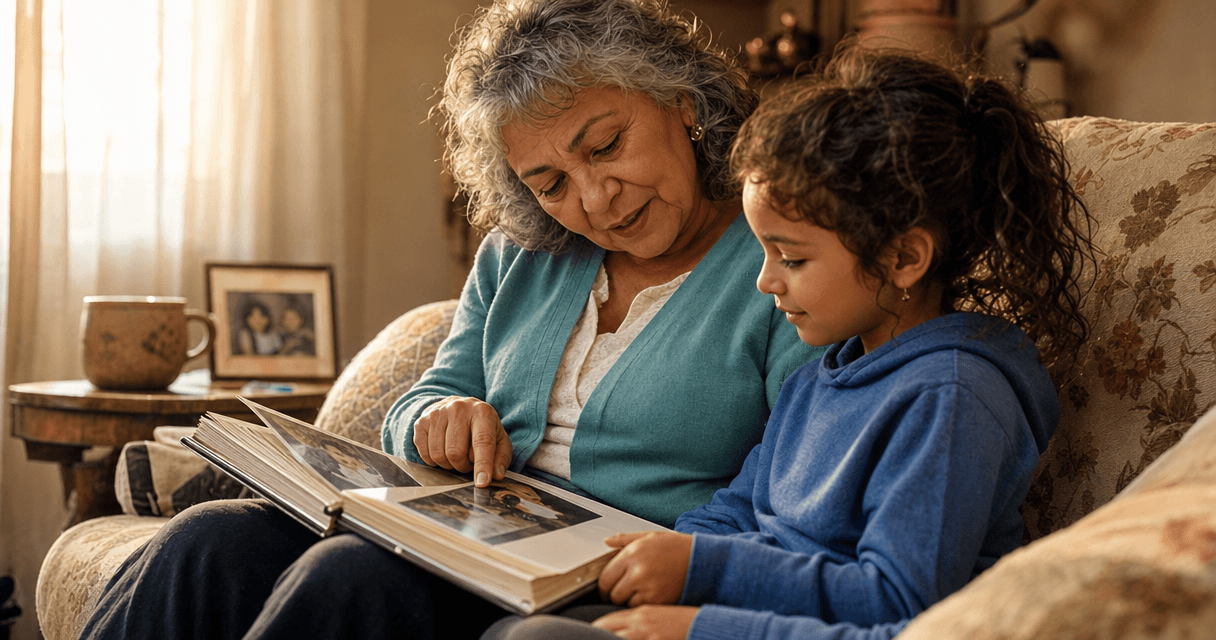
Learning Spanish early gives your child advantages that last a lifetime. Research shows bilingual children develop stronger executive function, deeper family bonds, and career opportunities that compound year after year. The window for easy language acquisition is widest in childhood — and the long-term benefits of Spanish learning started now will shape who your child becomes decades from today.
Key takeaways
- Bilingual children show measurably stronger problem-solving and attention skills that persist into adulthood.
- Early Spanish learning preserves the ability to communicate with Spanish-speaking family members throughout life.
- Children who learn Spanish before age seven acquire native-like pronunciation that adults rarely achieve.
- Bilingual employees earn 5–20% more on average than monolingual peers across industries.
- Starting early creates a foundation for fluency that becomes exponentially harder to build later.
The brain builds differently when children learn Spanish early
Your child's brain is wired for language right now in ways it never will be again. The critical period for language acquisition extends from early childhood through puberty, with the earliest years offering the greatest advantage. During this window, children absorb pronunciation, grammar, and vocabulary effortlessly — the same skills adults struggle for years to master.
Cognitive advantages that last decades
Bilingual children don't just learn two languages. They develop a different kind of brain. Studies consistently show that children who grow up bilingual perform better on tasks requiring attention control, problem-solving, and mental flexibility. Even bilingual toddlers demonstrate cognitive advantages in switching between activities and filtering out distractions.
These aren't temporary boosts. The cognitive benefits compound over time. Bilingual adults show stronger executive function well into old age, and some research suggests bilingualism may delay the onset of dementia symptoms by several years.
Native pronunciation becomes nearly impossible later
If you want your child to speak Spanish without an accent, the window is narrow. Children can learn a second language with native-like pronunciation until around age seven or eight. After that, the brain's ability to distinguish and produce new phonemes declines steadily. An adult who starts learning Spanish at 30 will likely never sound like a native speaker, no matter how many years they study. Your child who starts at five will.
Spanish connects your child to family — for life
The long-term benefits of Spanish learning aren't just cognitive. They're deeply personal.
Grandparents, cousins, and cultural identity
When your child speaks Spanish, they can talk to abuela. Not just translate, not just understand — actually talk. Share stories. Hear family history in the voice of the person who lived it. Research on heritage language maintenance shows that children who maintain their family's language report stronger ethnic identity, closer relationships with extended family, and a clearer sense of belonging.
Without Spanish, that connection frays. Grandparents become people your child loves but can't fully know. Cousins in other countries become distant. The language gap doesn't just affect childhood — it shapes family relationships for decades.
Bilingualism as a bridge across generations
Studies of immigrant families consistently find that heritage language loss strains family communication and weakens intergenerational bonds. Parents and children who don't share a fluent language struggle to discuss anything beyond surface-level topics. Teenagers who lose their heritage language often report feeling disconnected from their parents' values and experiences.
When you invest in your child's Spanish now, you're investing in your relationship with them 20 years from now. You're ensuring they can talk to you — and to their own children — in the language that holds your family's stories.
Career doors open wider — and stay open longer
The professional advantages of bilingualism aren't hypothetical. They're measurable, consistent, and significant.
Bilingual employees earn more
Bilingual workers earn between 5% and 20% more per hour than their monolingual peers, depending on the industry and role. That gap compounds over a 40-year career. A child who grows up fluent in Spanish will have access to higher-paying roles, faster promotions, and opportunities their monolingual colleagues won't even see.
Spanish is the second most-spoken language in the United States, with over 41 million native speakers. Every sector of the economy — healthcare, education, business, government, tech — needs people who can communicate with Spanish-speaking clients, patients, students, and partners.
Competitive advantage in a global economy
Spanish is the official language of 20 countries. A bilingual professional can work internationally, negotiate deals across borders, and build relationships in markets monolingual competitors can't access. Companies expanding into Latin America need bilingual talent. Schools in districts with growing Hispanic populations need bilingual teachers and counselors. Hospitals need bilingual doctors and nurses.
Your child who speaks Spanish fluently at 25 will have options. Your child who doesn't will watch those options go to someone else.
The cost of waiting
Every year you wait, the window narrows.
A child who starts learning Spanish at five will likely achieve fluency. A child who starts at ten will work harder for less progress. A teenager who starts at 15 will struggle with pronunciation and grammar in ways that feel frustrating and slow. An adult who starts at 30 will spend years trying to reach the level a child absorbs in months.
The long-term benefits of Spanish learning — cognitive, relational, professional — all depend on starting early. Not because older learners can't succeed, but because the brain's capacity for effortless language acquisition is a limited-time offer.
How to give your child this advantage
The research is clear: early, consistent, and interactive exposure to Spanish builds fluency that lasts. Apps and school programs can help, but they rarely create conversational confidence. Your child needs a real person — someone who speaks Spanish naturally, who knows how to engage kids, and who shows up every week.
That's where Spanish For Us makes the difference. Our native-speaking teachers work one-on-one with children ages 5–12, building the kind of fluency that sticks. Your child gets the same teacher every week, someone who knows their name, their interests, and exactly where they are in their learning. The classes are fun. The progress is real. And the long-term benefits — the cognitive boost, the family connection, the career opportunities — start now.
Sources
- Bilingualism in the Early Years: What the Science Says — PMC, National Institutes of Health
- The Development of Language: A Critical Period in Humans — NCBI Bookshelf, Neuroscience
- Beyond the home: rethinking heritage language maintenance as a collective responsibility — PMC, Frontiers in Psychology, 2025
- Use of Heritage Language in Immigrant Families — ERIC, Educational Research
- How to Boost Your Career Using Spanish at Work — Monster.com Career Advice
Frequently Asked Questions
What if my child is already past age seven — is it too late?
It's not too late, but the earlier you start, the easier fluency becomes. Children up to age 12 still learn languages far more easily than adults, and they can absolutely achieve fluency with consistent practice. The critical period for native-like pronunciation narrows after age seven, but conversational fluency, grammar, and vocabulary are still highly achievable. Start now rather than waiting another year.
Will learning Spanish early confuse my child or slow down their English?
No. Decades of research show that bilingualism does not cause confusion or language delay. Bilingual children may mix languages briefly during the toddler years, but this is a normal part of development and resolves on its own. In fact, bilingual children often develop stronger overall language skills because their brains practice switching between systems.
How much Spanish exposure does my child need to see long-term benefits?
Consistency matters more than volume. Two to three 30-minute classes per week, combined with Spanish use at home, is enough to build fluency over time. The key is regular, interactive practice with a real person — not passive listening or sporadic lessons. The brain needs repeated, meaningful exposure to lock in language patterns.
Can my child still connect with family if they start learning Spanish later?
Yes, but the depth of connection will depend on their fluency level. A teenager who learns basic conversational Spanish can communicate, but they'll miss nuances, jokes, and the ease of deep conversation. A child who grows up bilingual can talk to grandparents about anything — memories, values, feelings — without translation getting in the way. The earlier you start, the richer those relationships become.
Do the career benefits of bilingualism really justify the time investment?
Absolutely. Bilingual employees earn measurably more across nearly every industry, and the wage gap compounds over decades. Beyond salary, bilingualism opens roles and promotions that monolingual candidates simply won't be considered for. The time your child spends learning Spanish now will pay dividends in job offers, earning potential, and career flexibility 20 years from today.
Ready to get your child speaking Spanish?
Book a free 1-on-1 class with a native-speaking teacher. No commitment, no credit card.
Try a Free Class