What Are the Best Spanish Resources for Families Who Want to Keep the Language Alive?
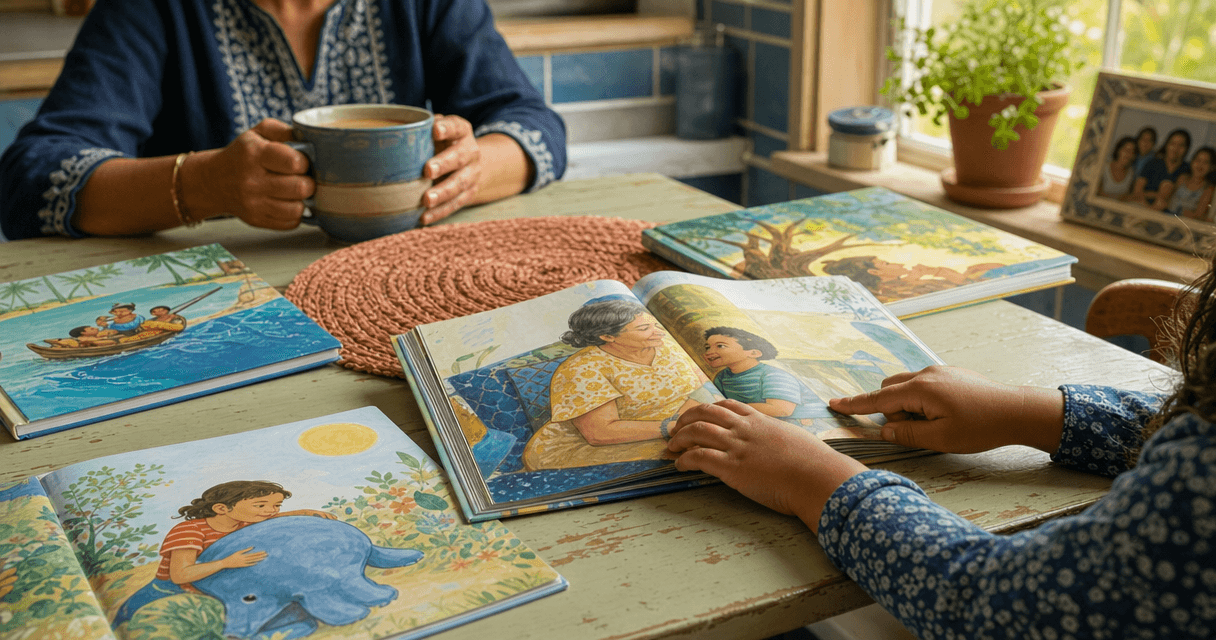
The best Spanish resources for families are the ones that make Spanish feel personal, joyful, and part of everyday life. For heritage families especially, the right books, music, games, and activities can bridge the gap between the culture you remember and the language your child is building. Spanish becomes more than vocabulary—it becomes connection.
Key takeaways
- Continuing to speak Spanish with your child gives them the opportunity to be bilingual and maintain close ties with family.
- Maintaining your child's home language is crucial to foster bilingual development and support cognitive, linguistic, and social-emotional growth.
- Books, music, community connections, and everyday routines are powerful free or low-cost resources for Spanish exposure at home.
- Language maintenance succeeds when children see proficiency in multiple languages as offering social, economic, or cultural advantages.
- The most valuable resource is simply using Spanish during everyday moments—mealtimes, errands, and family time.
Why the right resources matter for heritage families
You want your child to speak Spanish with abuela. You want them to feel connected to their roots, to understand the stories your family tells, and to carry the language forward.
But when English surrounds them at school, with friends, and on every screen, Spanish can start to fade.
That's where the right resources come in. Not random apps or generic worksheets, but tools that make Spanish feel like home. There are many ways that families can support their children's Spanish language development at home, and the best ones are the resources that help your child see Spanish as part of who they are.
Books: The foundation of language at home
Spanish books for kids significantly enhance a child's language learning experience in all content areas. Reading together improves comprehension, pronunciation, and listening skills while making language learning feel fun and interactive.
Where to find Spanish books
Your public library or school library may have a section of Spanish books available for you to check out and read together. Many libraries now offer robust Spanish collections, and librarians can help you find age-appropriate titles.
Look for:
- Bilingual picture books that tell stories in both English and Spanish side by side
- Authentic Spanish books written originally in Spanish by native authors, which tend to have a more natural, lyrical feel
- Books about family and heritage that reflect your child's own experience—stories about abuelas, food traditions, celebrations, and everyday life in Latino communities
Some beloved titles include Alma and How She Got Her Name, Too Many Tamales, Abuela, and bilingual classics like The Very Hungry Caterpillar / La Oruga Muy Hambrienta.
Music and songs: Spanish that sticks
Spanish songs, nursery rhymes, and movement activities help children remember vocabulary and pronunciation in a playful and engaging way.
Music is one of the easiest ways to weave Spanish into your day. Play Spanish songs in the car, during breakfast, or while your child is playing. You don't need a formal lesson plan—just let the language wash over them.
What to look for
- Traditional nursery rhymes and lullabies your family knows
- YouTube channels like Super Simple Español and Canticos
- Spotify playlists with children's songs in Spanish
- Songs that connect to your family's country of origin
The repetition and rhythm make new words memorable, and singing together builds joyful associations with Spanish.
Games, activities, and everyday routines
Games, scavenger hunts, arts and crafts, puppet shows, and pretend play create low-pressure opportunities for children to practice speaking and listening skills.
You don't need expensive kits or subscriptions. Some of the most effective Spanish practice happens during everyday moments:
- Cooking together and naming ingredients in Spanish
- Playing board games you already own, but calling out instructions in Spanish
- Doing a scavenger hunt around the house for items by color, shape, or room
- Labeling objects around your home with sticky notes in Spanish
Everyday activities such as mealtimes, getting dressed, bath time, and playtime are all opportunities for talking, teaching, and providing quality language exposure.
The goal is to make Spanish feel normal, not like a separate "learning time."
Your community: The most overlooked resource
There is another important resource that can support your child's Spanish skills—your community! Give your child opportunities to interact with Spanish-speaking family, friends, and neighbors.
This is the resource many families forget: the people around you.
- Schedule regular video calls with Spanish-speaking relatives
- Arrange playdates with other bilingual families
- Visit shops, restaurants, or community centers where Spanish is spoken
- Attend cultural events, festivals, or church services in Spanish
When your child hears Spanish spoken by people they love and admire, the language becomes real. It stops being something you're asking them to learn and starts being something they want to use.
Apps and digital resources: Use them wisely
You will also be able to find apps that support language learning and games for kids in Spanish, but preview what you share with your children first to see that it's appropriate.
Apps can be helpful, but they work best as a supplement—not a replacement—for real conversation and connection.
Some families find success with:
- Gus on the Go for young children learning basic vocabulary
- Studycat for interactive games that build speaking and listening skills
- YouTube channels with Spanish cartoons and educational content
- Free online Spanish storybooks from sites like Unite for Literacy and the International Children's Digital Library
The key is balance. Apps are tools, but they can't replace hearing Spanish spoken by someone who loves your child.
Keep Spanish alive at home
If your family speaks Spanish at home, continue speaking it with your children. Continuing to speak Spanish with your child gives them the opportunity to be bilingual, maintain close ties with family, and maintain that part of their identity.
This is the most important message: keep using Spanish, even when it feels hard. Even when your child answers in English. Even when you're tired or busy.
Your voice, your stories, and your family's language are the most valuable resources your child will ever have.
The right books, songs, and activities help. But the real work happens in the everyday moments when you choose to speak Spanish, to share a memory, to laugh together in the language of your family.
That's how Spanish stays alive.
If you're looking for a teacher who can help your child build confidence and fluency in a way that feels personal and joyful, Spanish For Us offers live 1-on-1 classes with native-speaking teachers who understand heritage families. Your child gets the same dedicated teacher every week—someone who knows their name, their interests, and exactly where they are in their Spanish journey.
Sources
- Top Spanish Learning Resources for Children — Adventures in Spanish, 2026
- Supporting Spanish at Home: Resources for Families — Colorín Colorado, 2024
- Parental perceptions of bilingualism and home language vocabulary — Frontiers in Psychology, 2023
- Editorial: Social and affective domain in home language development and maintenance research — Frontiers in Psychology, 2024
- Learning Spanish For Kids: The Ultimate Resource List — Sarah's Spanish School, 2025
- Tips for Parents Raising Bilingual Children — American Speech-Language-Hearing Association, 2012
Frequently Asked Questions
What if I'm not fluent in Spanish myself?
You don't need to be fluent to support your child's Spanish. Many successful bilingual families are English-dominant at home. Use the Spanish you do know during everyday moments, play Spanish music and audiobooks, arrange video calls with Spanish-speaking relatives, and connect your child with a teacher who can provide fluent conversation practice. Your encouragement matters more than perfect grammar.
How much Spanish exposure does my child actually need?
Consistency matters more than quantity. Even 20-30 minutes of meaningful Spanish interaction daily—through conversation, reading, or play—can make a real difference. The key is making Spanish a regular, joyful part of your routine rather than an occasional event. Combine short daily moments with longer weekly activities like family gatherings or classes.
My child only answers me in English. Should I keep speaking Spanish?
Yes. This is completely normal and doesn't mean your child isn't learning. Keep speaking Spanish to them even when they respond in English. They're building comprehension and will start speaking when they feel ready and confident. Celebrate any Spanish words they do use, and avoid pressuring them to perform.
Are bilingual books better than books only in Spanish?
Both have value. Bilingual books are great for families still building confidence and for children who can compare the two languages side by side. Books written originally in Spanish by native authors often have a more natural, lyrical feel and expose your child to authentic language patterns. Try a mix of both based on your child's level and your family's comfort.
How do I find other Spanish-speaking families nearby?
Check for local bilingual playgroups through your library, community center, or social media parent groups. Look for cultural festivals, Spanish-language church services, or Saturday Spanish programs. Some families also connect through online communities and arrange virtual playdates. Your child's school may have a bilingual family network you can join.
Ready to get your child speaking Spanish?
Book a free 1-on-1 class with a native-speaking teacher. No commitment, no credit card.
Try a Free Class