How Family Travel to Spanish-Speaking Countries Enhances Your Child's Language Skills
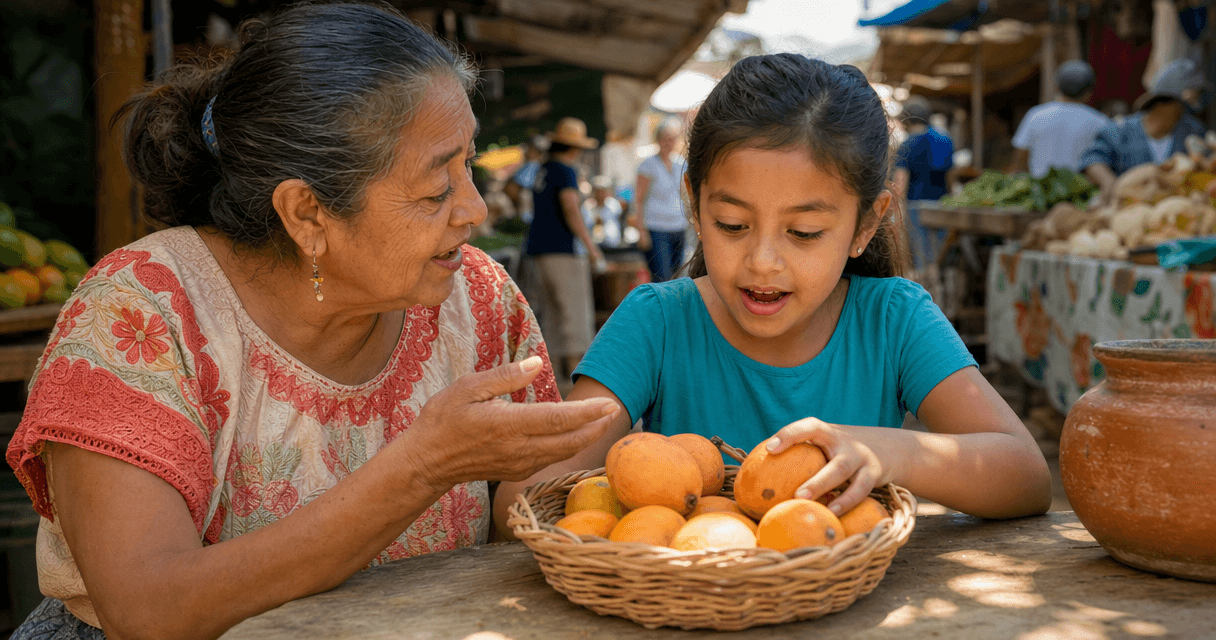
Family travel to Spanish-speaking countries offers your child an immersive language experience that no app or classroom can replicate. When your child hears Spanish in markets, plays with local children, and orders meals in their heritage language, they're building real fluency while connecting with the culture you want them to carry forward.
Key takeaways
- Frequent travel to heritage language regions strengthens language maintenance and deepens cultural connection.
- Children who maintain heritage language fluency develop stronger cultural identity and family bonds.
- Travel immersion accelerates listening and speaking skills faster than traditional classroom methods.
- Short trips of even one to two weeks can boost your child's confidence and motivation to practice Spanish at home.
- Combining structured activities with everyday interactions maximizes language growth during family trips.
Why travel immersion works differently than classes at home
Your child's brain responds differently when Spanish surrounds them all day. Research shows that immersion enhances listening and speaking skills, cognitive function, and cultural competence, leading to faster retention and greater motivation.
At home, Spanish might be something your child practices for 30 minutes a week. On a trip to Mexico, Colombia, or Spain, Spanish becomes the language of adventure. They need it to ask where the bathroom is, to order their favorite snack, to make a new friend at the park. That urgency changes everything.
The heritage advantage
For Heritage Mom, family travel to Spanish-speaking countries isn't just about language practice. According to research on heritage language maintenance, literacy support and frequent travel to heritage language-speaking regions strengthen language maintenance.
When your child visits the country where your family is from, they're not just learning vocabulary. They're claiming their identity. They're hearing the way abuela laughs when she tells stories. They're tasting the food you grew up eating. They're understanding, in a way that's hard to explain but impossible to forget, where they come from.
What your child gains from a week (or two) abroad
You don't need a month-long trip to see results. Even short visits create measurable change.
Confidence to speak
Traveling to another country with your kids while they are young gives students the opportunity to see language in action first-hand, forces them to use their new skills and builds their confidence. Your shy child who won't speak Spanish at home will surprise you when they order ice cream in Spanish because they really want that ice cream.
The fear of making mistakes shrinks when the reward is immediate. And once they realize they can communicate and be understood, that confidence travels home with them.
Real vocabulary
Classroom Spanish teaches colors and numbers. Travel Spanish teaches "Can I have more juice?" and "Where's the playground?" and "I want to go on the swings."
Your child absorbs the words they actually need. They learn how to ask for help, how to say thank you to the woman at the market, how to tell a cousin they like their toy. This is the Spanish that sticks.
Connection to family
Children learning their cultural heritage language can communicate with their relatives and strengthen family ties beyond the borders. When your child can finally have a real conversation with their grandparents, aunts, uncles, and cousins, Spanish stops being a chore. It becomes the key to belonging.
One mom who took her children to Peru for immersion described waking up to hear her son teaching a local child to play chess in Spanish, mixing instructions with jokes and giggles. Those are the moments that make language feel like a gift, not an obligation.
How to make the most of your family trip
A trip to a Spanish-speaking country isn't automatically immersive. You can spend a week at an all-inclusive resort in Cancun and hear more English than Spanish. Here's how to set your child up for real language growth.
Stay where locals live
Choose neighborhoods over tourist zones. Rent an apartment or stay with family. The goal is for your child to hear Spanish on the street, in the grocery store, at the park.
When you're surrounded by locals going about their daily lives, your child sees Spanish as a living language, not a school subject.
Build in daily Spanish interactions
Let your child order at restaurants. Ask them to buy fruit at the market. Have them ask a shopkeeper where the bathroom is. These small, low-pressure moments add up.
You're not testing them. You're giving them chances to practice with real stakes and real rewards.
Enroll in a short local program
Many cities in Mexico, Costa Rica, Panama, and Colombia offer family Spanish immersion programs. Your child takes age-appropriate classes in the morning, and you explore together in the afternoon.
Family Spanish immersion programs pair structured learning with cultural activities like cooking workshops, dance classes, and local excursions. The combination of classroom time and real-world practice accelerates progress.
Connect with local children
Playgrounds, community centers, and family gatherings are goldmines for language practice. Kids communicate differently than adults. They use simpler sentences, more gestures, and infinite patience when a new friend doesn't understand right away.
Your child will pick up slang, games, and jokes that no teacher would ever teach. And they'll remember the friend they made, which makes the language feel personal.
Preparing before you go
You don't need your child to be fluent before the trip. But a little preparation helps them feel confident enough to try.
Practice key phrases
Teach your child how to say:
- "¿Puedo tener...?" (Can I have...?)
- "¿Dónde está...?" (Where is...?)
- "Me gusta" (I like)
- "No entiendo" (I don't understand)
- "Gracias" (Thank you)
These five phrases will carry them through most interactions.
Set expectations
Talk about what the trip will be like. Explain that most people will speak Spanish, and that it's okay if they don't understand everything. Frame it as an adventure, not a test.
Let them know you'll be learning together. When they see you trying and making mistakes, they'll feel braver about doing the same.
Start with Spanish For Us
If your child isn't taking regular Spanish classes yet, now is the time to start. A few weeks of 1-on-1 lessons before your trip will give them the foundation they need to actually use Spanish when they're immersed in it. Book a free class with Spanish For Us and let a native-speaking teacher help your child build confidence before you travel.
What happens when you come home
The trip doesn't end when you land back in the U.S. The language growth continues if you protect it.
Keep the momentum going
Your child will come home excited about Spanish. Don't let that fade. Schedule regular classes, keep speaking Spanish at home, and plan your next trip.
Research shows that even short re-immersion through visits can reactivate heritage language skills and improve performance on structures that were vulnerable before. The more often you go back, the stronger the language becomes.
Talk about the trip in Spanish
Look at photos together and reminisce in Spanish. "¿Te acuerdas de...?" (Do you remember...?) turns memories into language practice.
When your child associates Spanish with happy memories, they'll want to keep speaking it.
Connect virtually with people you met
If your child made a friend, set up video calls. If you stayed with family, schedule regular check-ins. These ongoing relationships give your child a reason to keep practicing.
Spanish stops being something they used on vacation and becomes something they need to stay connected to people they care about.
The gift of heritage through travel
Family travel to Spanish-speaking countries gives your child something no classroom ever could: the lived experience of their heritage. They see where your family comes from. They hear the language in the voices of people who look like them. They feel, in their bones, that Spanish is theirs.
That sense of belonging is what turns language learning from a task into a identity. And once your child feels that, they'll carry Spanish with them for life.
Ready to prepare your child for an immersive Spanish experience? Start weekly classes with Spanish For Us and watch them build the confidence to speak Spanish anywhere in the world.
Sources
- 7 Powerful Benefits of Immersive Language Learning for Faster Fluency — Abblino, 2025
- Learn Spanish with Kids through Educational Travel — The Family Backpack, 2018
- Resilient heritage language maintenance: the interplay of family, culture, and pragmatic choices — PMC, 2025
- Heritage language use in the country of residence matters for language maintenance, but short visits to the homeland can boost heritage language outcomes — Frontiers in Language Sciences, 2023
- The Benefits and Challenges of Bilingualism in Multicultural Families — Daniel Dashnaw, 2024
- Bilingual Families — Children's Minnesota, 2024
Frequently Asked Questions
How long does a trip need to be to make a difference in my child's Spanish?
Even a one- to two-week trip can boost your child's confidence and listening skills. Research shows that short visits to heritage language regions can reactivate language skills and improve fluency. The key is maximizing daily Spanish interactions—ordering food, playing with local kids, and participating in family conversations—rather than just the length of the trip.
What if my child is too shy to speak Spanish with strangers?
Start with low-pressure situations like ordering ice cream or asking for directions with you standing right there. Kids often surprise themselves when they realize they can communicate and get what they want. Connecting with cousins or local children at playgrounds also helps—kids are more patient and playful language partners than adults.
Should we stay with family or book our own place?
Both work, but staying with Spanish-speaking family offers the richest immersion. Your child will hear Spanish all day, participate in family meals and traditions, and build relationships that motivate them to keep practicing. If you book your own place, choose a local neighborhood over a tourist zone so your child hears Spanish in daily life.
My child doesn't speak much Spanish yet. Is it too early to travel?
No. Travel is one of the best ways to jumpstart language learning because it gives your child an immediate reason to try. Even beginners benefit from hearing Spanish all around them and needing it for simple interactions. A few weeks of classes before you go will help them feel more confident, but the trip itself will teach them faster than months of lessons at home.
How do we keep the progress going after we get home?
Schedule regular Spanish classes so your child doesn't lose momentum. Talk about the trip in Spanish, look at photos together, and stay connected with family or friends you met through video calls. The more you tie Spanish to happy memories and real relationships, the more your child will want to keep speaking it.
Ready to get your child speaking Spanish?
Book a free 1-on-1 class with a native-speaking teacher. No commitment, no credit card.
Try a Free Class