What Are the Benefits of Incorporating Spanish Culture into Learning?
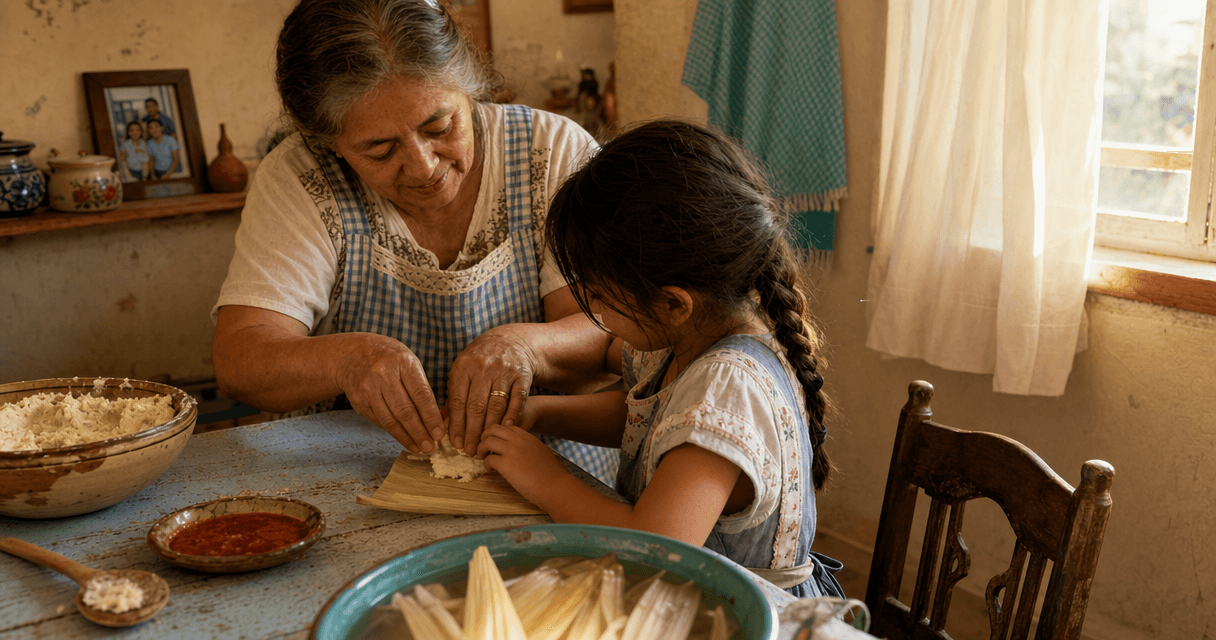
Spanish culture learning for kids transforms vocabulary drills into something your child actually cares about. Cultural immersion creates meaningful connections that support language acquisition naturally, helping children develop linguistic skills in a way that feels enjoyable rather than forced. When your child learns Spanish alongside the songs, stories, and traditions that shaped your family, the language stops being an assignment and starts being part of who they are.
Key takeaways
- Cultural context makes vocabulary stick because children connect words to meaningful experiences and traditions.
- Heritage language proficiency and cultural identification are closely connected—stronger Spanish skills lead to deeper cultural connection.
- Children who engage with music, art, and storytelling from Spanish-speaking cultures develop language skills that feel natural.
- Research shows cultural context improves vocabulary retention by up to 40% compared to isolated vocabulary learning.
- Cultural learning gives children a sense of belonging and helps them understand their place in the family story.
Why culture makes Spanish stick
Your child's brain remembers words differently when they're tied to something real. Learning "abuela" from a flashcard is one thing. Learning it while making her tamale recipe is something else entirely.
Cultural context gives language a place to live. When children participate in cultural activities like singing songs or cooking traditional dishes, they use multiple senses and reinforce learning through experience. The word for "masa" isn't abstract anymore—it's the texture on their hands, the smell in the kitchen, the pride on your face when they get it right.
Children who participate in community-based heritage language programs often demonstrate higher proficiency and stronger cultural identity. The language becomes part of how they see themselves, not just something they study.
Culture answers the question every child asks: why does this matter?
Your child doesn't wake up thinking about future career advantages. They wake up wondering if today will be boring or fun.
Culture gives them a reason to care right now. When they learn the words to a song you sang as a child, they're connecting with you. When they recognize a holiday tradition abuela talks about, they're part of the conversation instead of sitting on the outside.
Heritage language learning provides children with a profound sense of belonging. Speaking their heritage language helps children find themselves part of a community with shared values, customs, and stories. That belonging is what keeps them coming back to Spanish week after week.
The stories your family tells become their stories
Every family has them—the stories that get repeated at every gathering, the jokes that only make sense in Spanish, the phrases abuela says that don't translate quite right.
When your child learns Spanish through culture, those stories become theirs to tell. They stop being the grandchild who smiles politely while the adults talk. They become part of the conversation.
Without the ability to communicate with parents or extended family members, it becomes difficult to create an identity intertwined with one's heritage culture. Cultural learning through language prevents that gap from forming.
What cultural learning actually looks like
You don't need to recreate an entire cultural festival in your living room. Cultural learning happens in small, consistent moments.
Music that fills the gaps: Play Spanish-language music during breakfast or in the car. Kids absorb pronunciation, rhythm, and emotion without it feeling like study. When they start singing along to the chorus, they're practicing without realizing it.
Food that tells a story: Cook a recipe from your family's region of origin together. Teach the names of ingredients as you go. Talk about when your grandmother made this dish, or what celebration it's tied to. The sensory experience—the taste, the smell, the act of making it together—creates memory anchors that vocabulary lists never could.
Celebrations that mark time: Observe holidays and traditions, even in small ways. Día de los Muertos, Las Posadas, Three Kings Day—these aren't just cultural education. They're the rhythm of the year in Spanish-speaking communities. When your child participates, the language becomes part of how they experience time.
Stories that carry values: Read folktales and legends in Spanish. These stories carry the values and worldview of Spanish-speaking cultures. They show your child how people in those communities think about family, bravery, kindness, and humor.
Culture builds the bridge between home and heritage
Many heritage families worry their children are losing connection to the culture. You speak Spanish at home, but your child answers in English. They understand abuela, but they don't initiate conversations.
Cultural learning changes that dynamic. When Spanish is the language of things your child enjoys—the songs they love, the food they ask for, the stories they want to hear again—they start reaching for it on their own.
Research on heritage bilinguals shows that language proficiency and cultural identification are closely connected. When children maintain stronger skills in their heritage language, they report a deeper connection to their cultural identity and community. The language stops being something you're making them do and starts being something they want.
When the teacher brings culture into class
The right teacher doesn't just teach Spanish words—they bring the culture into the room. They sing the songs from their own childhood. They tell stories about growing up in their country. They explain why certain phrases exist and what they reveal about how people think.
Your child picks up on that authenticity. They're not learning from a curriculum written by a committee. They're learning from someone who lives the culture, who carries it in the way they speak and laugh and explain things.
That's why at Spanish For Us, every teacher is a native speaker who brings their own cultural background into class. Your child doesn't just learn Spanish—they learn it from someone for whom the language and culture are inseparable.
Sources
- How Cultural Activities Boost Language Skills in Young Learners — Viva Language Services, 2025
- Raising Bicultural Kids: How Heritage Language Shapes Identity — Chicago Persian School, 2026
- The impact of heritage language on children's sense of belonging and connection to cultural heritage — LinkedIn, 2023
- Heritage language learning — Wikipedia, 2026
- Beyond the home: rethinking heritage language maintenance as a collective responsibility — PMC, date not specified
Frequently Asked Questions
What if my child resists learning about our culture?
Start with what they already enjoy. If they love music, begin with Spanish songs. If they're into cooking, make one family recipe together. Cultural learning works best when it doesn't feel like an assignment. Let them lead with their interests, and weave the culture in naturally rather than making it a formal lesson.
How much cultural exposure does my child need each week?
Consistency matters more than intensity. Even 10-15 minutes of daily cultural exposure—a song during breakfast, a story before bed, a conversation about a family tradition—builds connection over time. The goal is making Spanish culture a natural part of your family's rhythm, not adding another scheduled activity.
Can cultural learning work if I'm not fluent in Spanish myself?
Yes. You can share the cultural elements you do know—family stories, recipes, music, celebrations—even if your Spanish is limited. A teacher who is a native speaker can fill in the language gaps while you provide the family context and emotional connection that makes the culture meaningful to your child.
What if my family's Spanish traditions are different from what the teacher shares?
That's actually valuable. Spanish-speaking cultures are incredibly diverse—Mexican traditions differ from Colombian, Puerto Rican, or Spanish ones. Exposing your child to both your family's specific traditions and the broader Spanish-speaking world helps them understand the richness of the culture. It's not about choosing one version, it's about seeing how the language connects many communities.
Ready to get your child speaking Spanish?
Book a free 1-on-1 class with a native-speaking teacher. No commitment, no credit card.
Try a Free Class